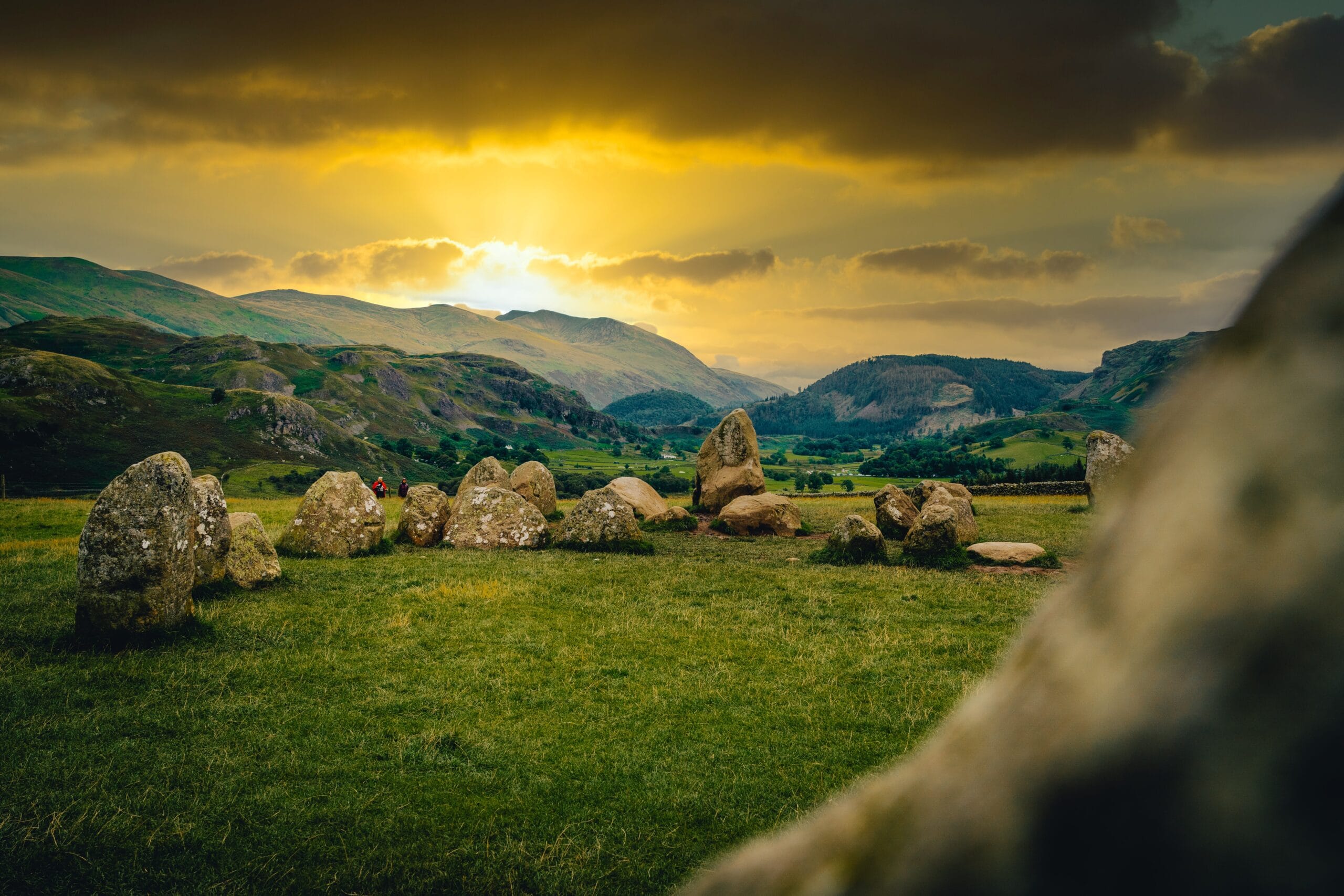
Ask a dozen Lake District regulars when to visit and you will get a dozen different answers, because the honest truth is that there is no wrong time to come, only different moods. Each season dresses the fells and lakes in its own colours and offers its own rewards, from the long, lively days of summer to the hushed, golden afternoons of autumn and the bracing peace of winter. The best time to visit depends entirely on what you are after, so here is how the year unfolds in the Lakes, to help you choose.
Spring, for new life and quiet paths
Spring is a glorious time to be in the Lakes. The valleys fill with the bounce of new lambs, the woods are threaded with bluebells, and the daffodils that so famously moved William Wordsworth nod along the lakeshores. The crowds of summer are still a little way off, so the paths are quieter and the roads kinder, and the air has a freshness that makes even a gentle walk feel like a tonic. Do bear in mind that lambing is in full swing, so keep dogs on leads near livestock, and pack for changeable weather, because spring in the hills can swing from warm sunshine to a cold shower and back within the hour.
Summer, for long days and a lively buzz
Summer, in July and August, is the Lake District at its busiest and brightest. The school holidays bring families, the days are gloriously long, and the warmest weather, often reaching the high teens, makes for fine days on the water and the fells alike. This is the season for cruises, swimming, sailing and big mountain walks under late-setting suns, with everything open and the towns humming. The flip side is the crowds: car parks fill early, popular spots are busy, and accommodation is at its most sought-after, so book well ahead and start your days early to enjoy the best of it before everyone else is up. If you want bustle, buzz and guaranteed daylight, summer delivers.
Autumn, for colour and calm
For many, autumn is the connoisseur’s choice. As the schools go back, the crowds thin and the trails are handed back to those who like them peaceful, while the woodlands turn through gold and copper and the low sun lights the fells in a way that summer never quite manages. The weather can be cooler and wetter, but a crisp, clear autumn day in the Lakes, with mist lifting off the water and the bracken glowing, is about as good as a holiday gets. It is a wonderful time for walking, photography and slow, fireside evenings, and the shoulder months mean quieter roads and easier parking.
Winter, for solitude and drama
Winter is the quietest season of all, save for the bustle of Christmas and New Year, and it has a stark beauty entirely its own. The fells can wear a cap of snow, the light is sharp and low, and you can have whole stretches of shoreline almost to yourself. Some attractions close or shorten their hours, and the high tops become serious places best left to well-equipped and experienced walkers, but for a cosy break of short walks, long lunches and crackling fires, with the drama of the mountains as a backdrop, winter is hard to beat. There are few finer things than coming in from a frosty walk to a warm holiday home.
So when should you come?
If it is peace and quiet you are after, the shoulder seasons of spring and autumn, or the genuinely quiet weeks of November, January and February, will serve you best, with fewer people, easier parking and gentler demand on the loveliest places to stay. If it is long days, warmth and a lively atmosphere you want, summer is your season, as long as you plan ahead. And if you simply love the place, June often hits the sweet spot of light, warmth and relative calm before the school holidays begin. Whenever you come, the Lakes will find a way to make it worthwhile.
Pick your season, and your base
Once you have settled on a time of year, the last piece is finding the right place to enjoy it from, whether that is a sun trap with a lake view for summer or a snug bolthole with a wood burner for winter. Browse our places to stay and choose a holiday home to match your season, so the Lake District is at its best the moment you arrive.